Essential Boat Lift Maintenance Tips for Smooth & Reliable Operation
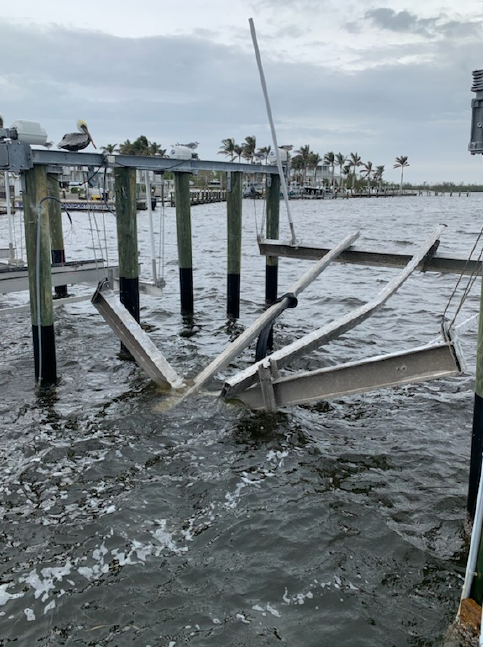
A boat lift is one of the most important investments you can make as a waterfront property owner in Southwest Florida. It helps protect your boat from saltwater exposure, hull damage, marine growth, and unnecessary wear. But like any piece of marine equipment, your boat lift needs regular care to keep it operating safely and reliably.
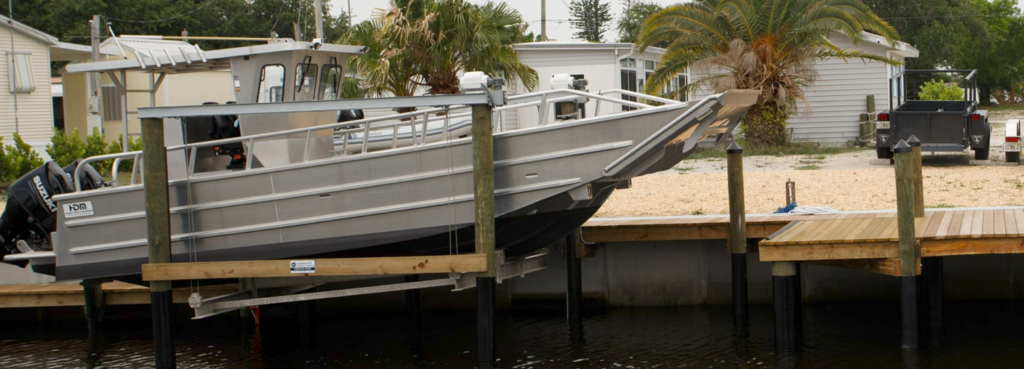
At Submerged Consultants, we help homeowners and property owners throughout Southwest Florida maintain safe, reliable waterfront systems. As a trusted marine contractor serving Cape Coral, Fort Myers, Punta Gorda, Sanibel, Captiva, Bonita Springs, and nearby coastal communities, our team understands what it takes to keep boat lifts, docks, and seawalls performing properly year-round.
Inspect the Cables, Pulleys, and Hardware
The cables and pulleys are some of the hardest-working parts of any boat lift. Over time, exposure to saltwater and daily use can cause fraying, rust, stretching, or uneven winding.
Look for warning signs such as broken cable strands, visible corrosion, loose bolts, unusual noises, or a lift that raises unevenly. If something does not look or sound right, it is best to schedule service before the issue becomes a safety concern.
Keep Moving Parts Lubricated
Boat lifts rely on several moving components to raise and lower your vessel safely. Gears, bearings, pulleys, and other mechanical parts should be properly lubricated to reduce friction and prevent premature wear.
Because Southwest Florida’s salt air can speed up corrosion, using the right marine-grade lubricant is important. Consistent lubrication helps your lift run quieter, smoother, and more efficiently.
Watch for Electrical Issues
Electrical components are another key part of boat lift maintenance. Motors, wiring, switches, control boxes, and remotes can all be affected by moisture, salt, and storm exposure.
Common signs of electrical trouble include slow lifting, inconsistent operation, tripped breakers, buzzing sounds, or a motor that struggles under load. Electrical problems should always be handled carefully and inspected by a qualified professional to avoid damage or safety hazards.
Rinse and Clean the Lift Often
Salt, sand, algae, and debris can build up quickly on boat lifts in coastal and canal-front areas. Rinsing your lift with fresh water helps remove corrosive buildup and keeps the equipment cleaner between service visits.
Pay close attention to the cradle, bunks, cables, beams, and motor area. A clean lift is easier to inspect and can help prevent long-term damage caused by saltwater exposure.
Make Sure the Boat Is Properly Balanced
A boat that is not centered correctly on the lift can put unnecessary stress on the cables, motor, bunks, and structural components. Over time, poor balance can lead to uneven lifting, mechanical strain, and costly repairs.
Each time you use your lift, make sure the boat is positioned evenly and sitting properly on the bunks. If the lift appears tilted, strained, or uneven, it may need adjustment or professional inspection.
Schedule Professional Boat Lift Service
Even with regular homeowner maintenance, professional service is one of the best ways to protect your boat lift investment. An experienced marine contractor can inspect the lift system, identify worn parts, check the structure, review the electrical components, and recommend repairs before a failure occurs.
Submerged Consultants provides reliable boat lift service, dock building and repairs, seawall work, and marine construction throughout Southwest Florida. Whether your lift needs maintenance, repair, upgrades, or a full inspection, our team is here to help keep your waterfront property safe and functional.
Preventative Maintenance
If your boat lift is making noise, lifting unevenly, showing signs of corrosion, or simply due for routine maintenance, now is the time to schedule service. Preventative maintenance can help reduce costly repairs, extend the life of your equipment, and keep your boating experience stress-free.