
Building or repairing a dock, boat lift, seawall, or shoreline structure in Florida can be more complicated than many property owners expect. Because these projects are built near sensitive waterways, the permitting process is an important step before construction begins.
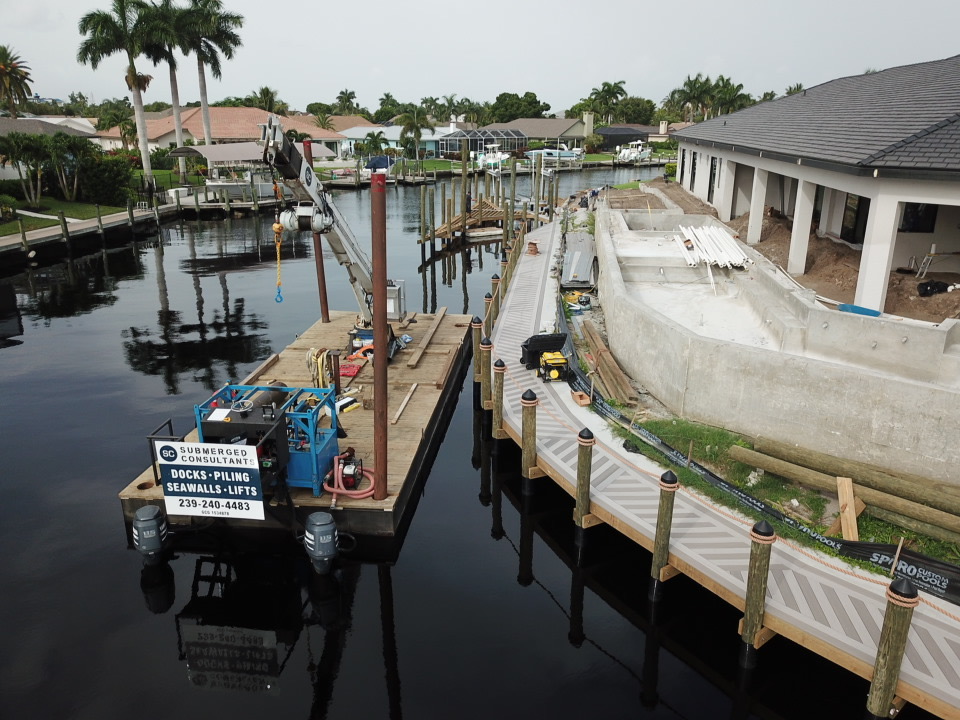
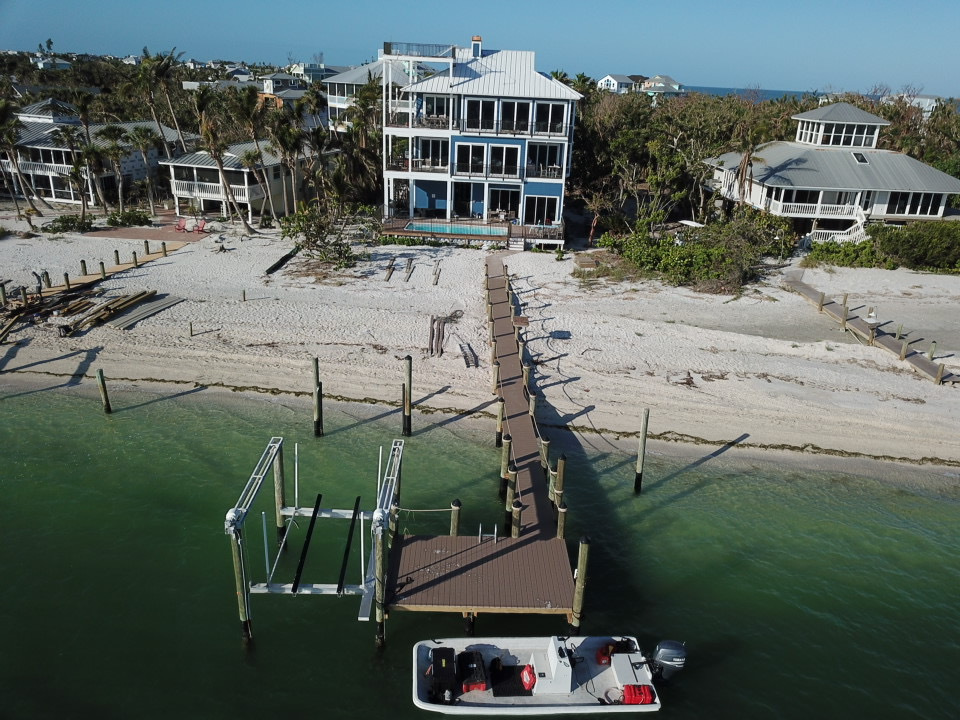
Why Permits Matter
Florida’s coastal areas include seagrass beds, mangroves, wetlands, marine wildlife, and navigable waterways. Permits help make sure marine construction is done safely, legally, and with less impact on the surrounding environment.
Proper permitting also protects your property investment and helps prevent delays, fines, or issues during future inspections or property sales.
More Than One Agency May Be Involved
One of the biggest challenges is that several agencies may need to review the project. Depending on the location and type of work, permits may involve the Florida Department of Environmental Protection, the U.S. Army Corps of Engineers, local building departments, or water management districts.
Even a project that seems simple from the shoreline may require site plans, surveys, engineering, and environmental review.
Different Projects Have Different Rules
Docks, boat lifts, seawalls, riprap, and piling repairs are not all permitted the same way. Some projects may qualify for an exemption or general permit, while others require a more detailed review.
The permit path often depends on the size of the structure, where it is located, and whether protected resources are nearby.
Environmental Conditions Can Cause Delays
Seagrass, mangroves, wetlands, oysters, and protected wildlife can all affect the approval process. A dock over shallow water, a seawall near mangroves, or riprap along a natural shoreline may need special design considerations.
These issues do not always stop a project, but they can affect the design, timeline, and cost.
Seawall Permitting Can Be Complex
Seawalls are important for protecting waterfront property from erosion and storm damage, but they are closely reviewed because they can affect the shoreline and neighboring properties.
Repairing an existing seawall may be simpler than building a new one, but permits, inspections, or engineering may still be required.
Local Rules Matter Too
In addition to state and federal permits, cities and counties often have their own rules for marine construction. These may include setbacks, dock size limits, boat lift placement, seawall height, inspections, and contractor licensing requirements.
Because rules vary by location, local experience matters.
Planning Ahead Saves Time
Permitting should be part of the project from the beginning. Waiting too long can lead to delays, redesigns, added costs, or violations.
A good plan helps identify what approvals are needed before work begins.
Work With an Experienced Marine Contractor
Permitting marine structures and seawalls in Florida takes knowledge, planning, and attention to detail. Working with an experienced marine contractor can help make the process smoother from design and permitting to construction.
Protect Your Waterfront Property the Right Way
Whether you are repairing a seawall, replacing a dock, adding a boat lift, or stabilizing a shoreline, proper permitting is the first step. With the right team and a clear plan, your project can be completed safely, legally, and built to last.