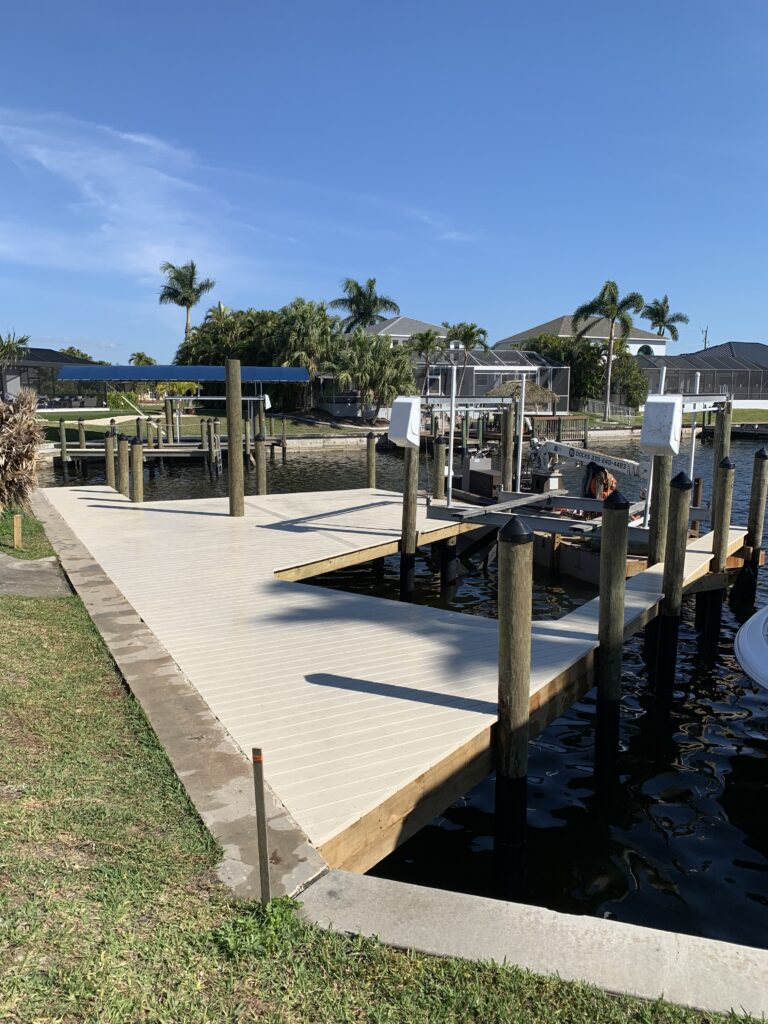
Expanding Function Beyond Basic Dock Design
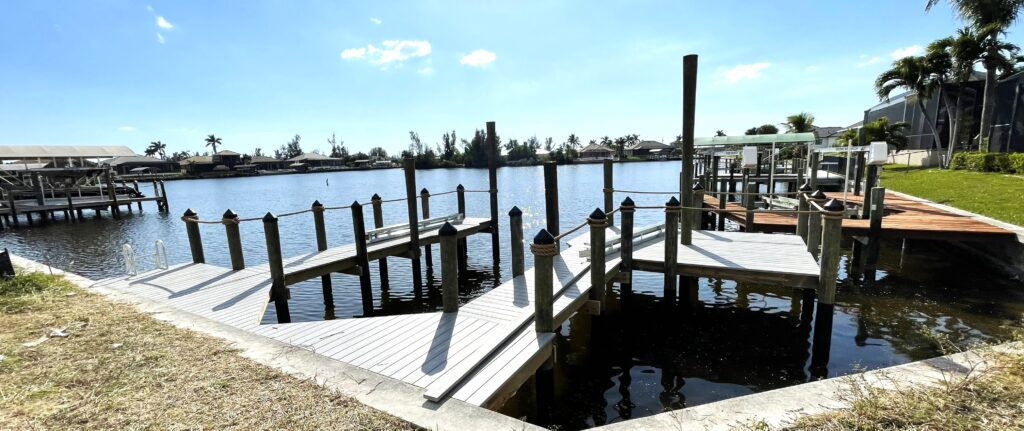
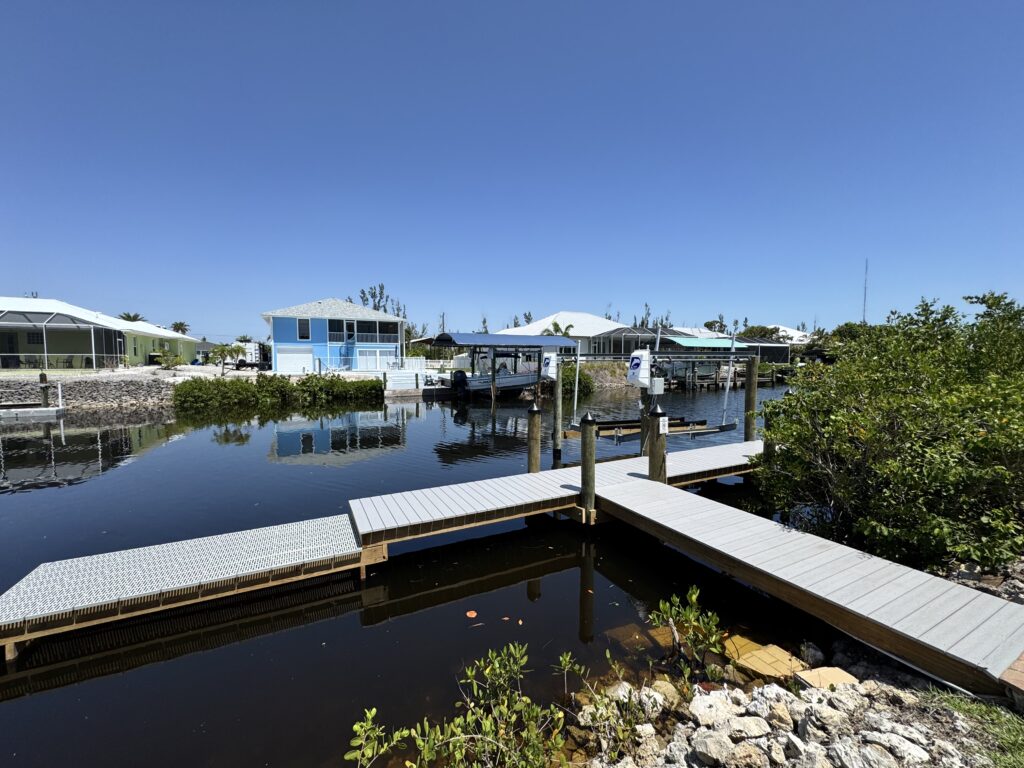
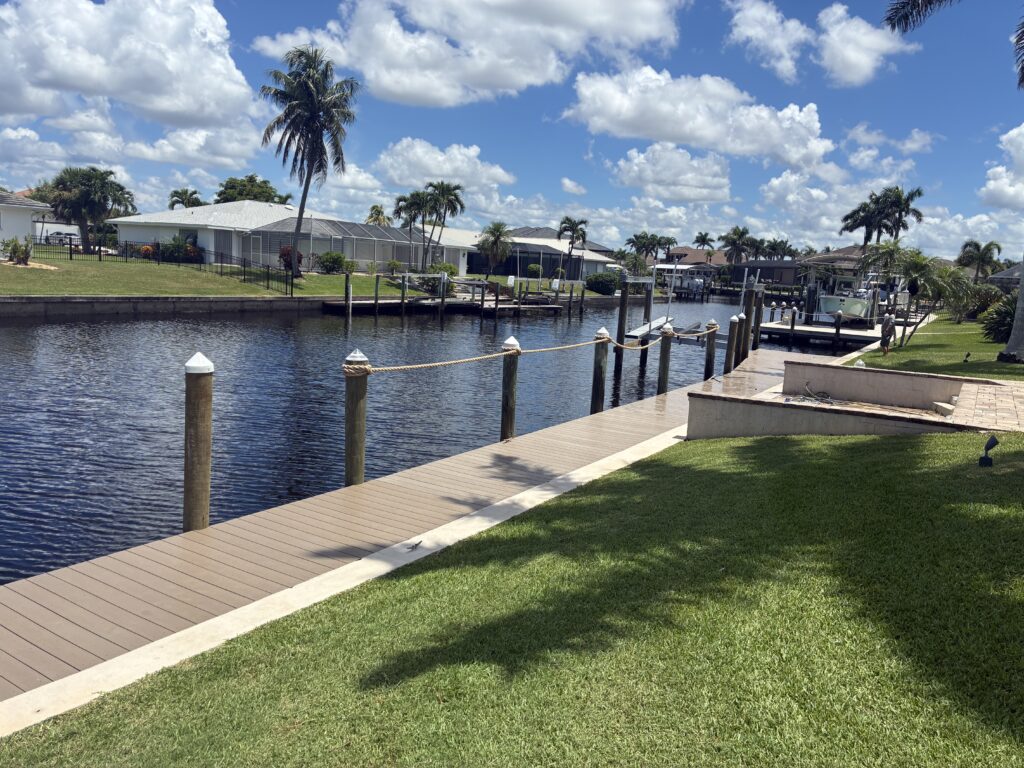
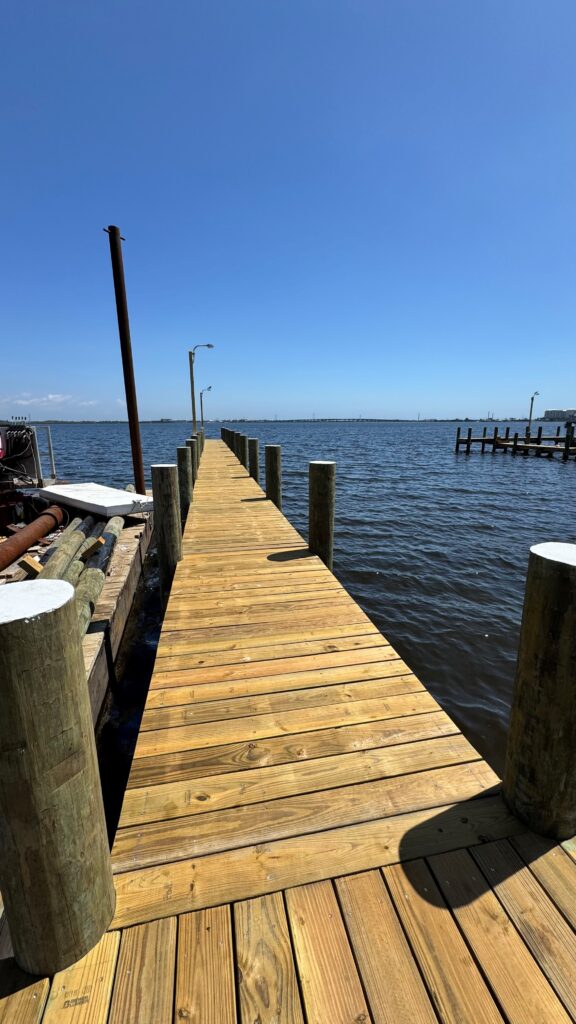
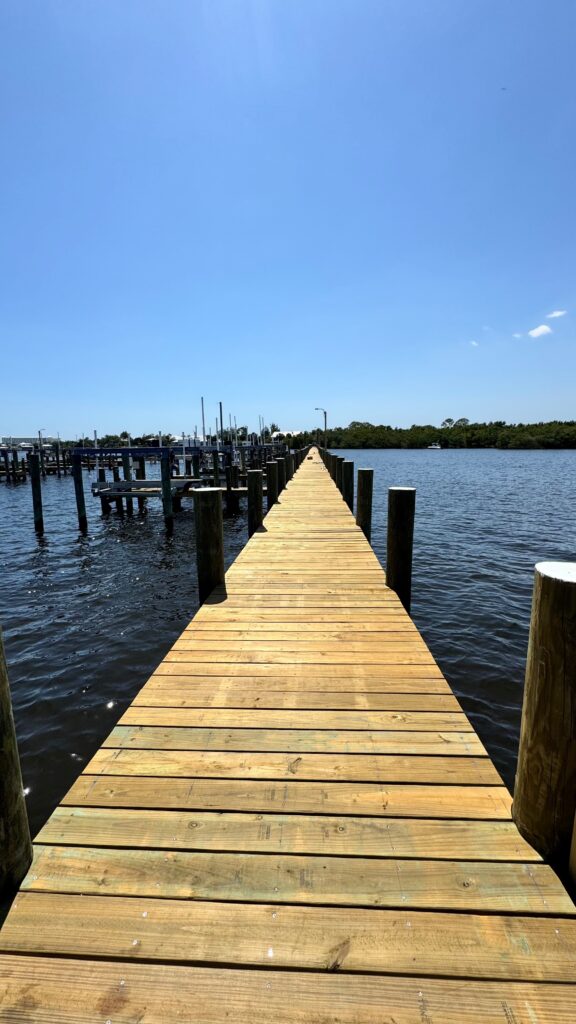
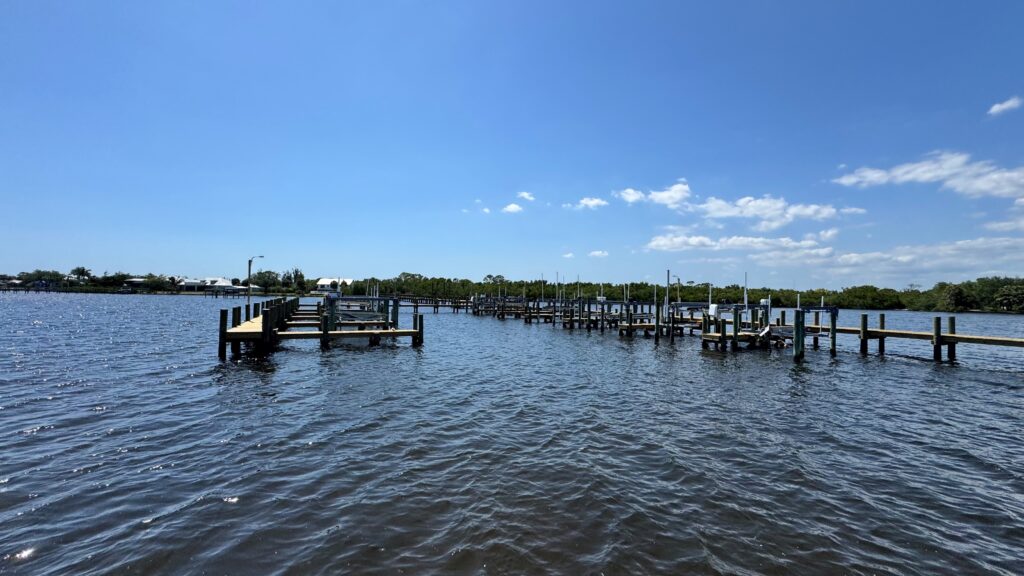
A waterfront dock does not have to serve only as a place to tie up a boat. In many Lee County properties, homeowners also add covered boat lifts, boathouses, dock pavilions and recreational platforms to improve comfort, protection and usability.
However, each of these structures must be planned early. In fact, roofed or elevated features often affect pilings, setbacks, wind loads and overall dock engineering.
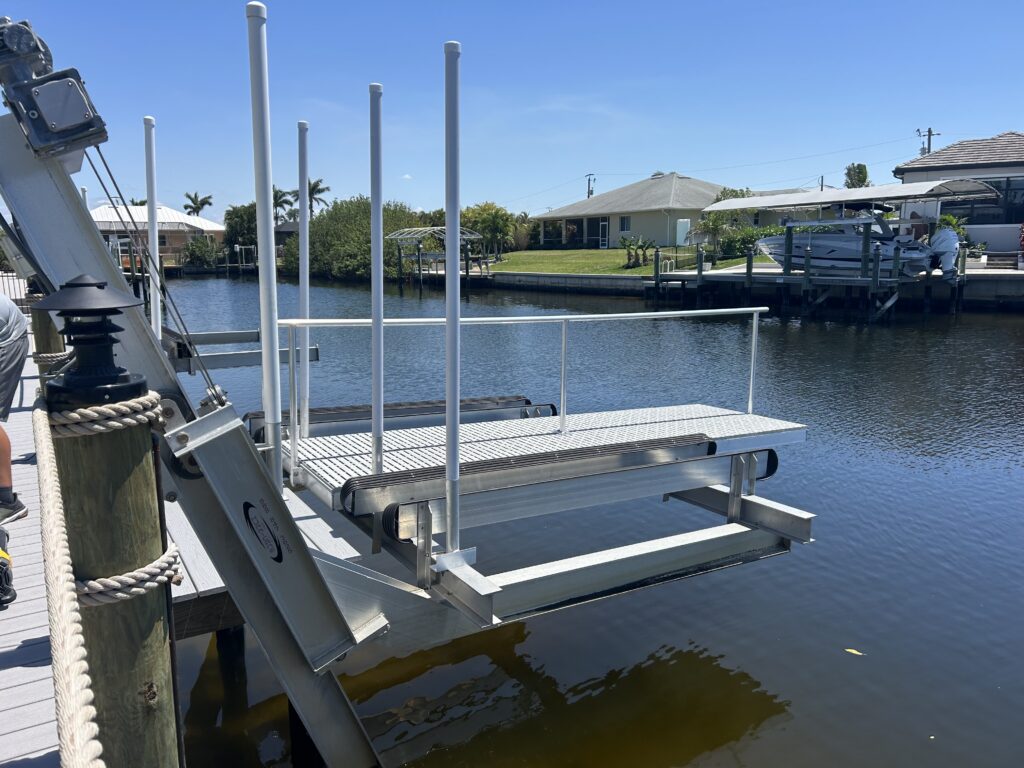
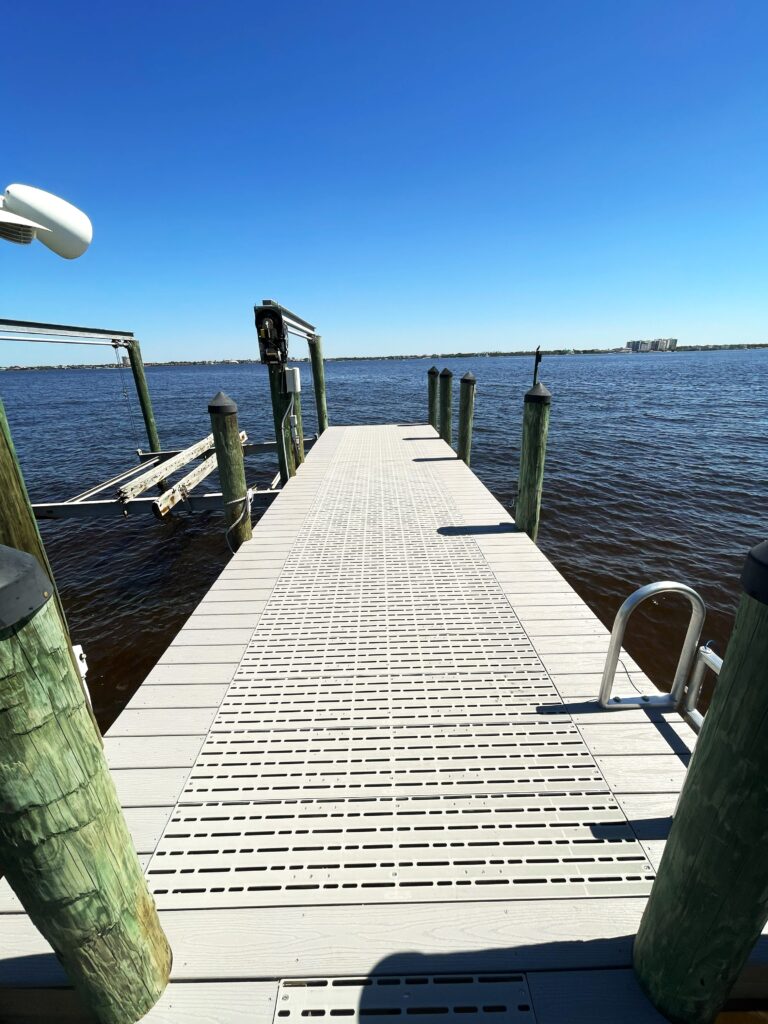
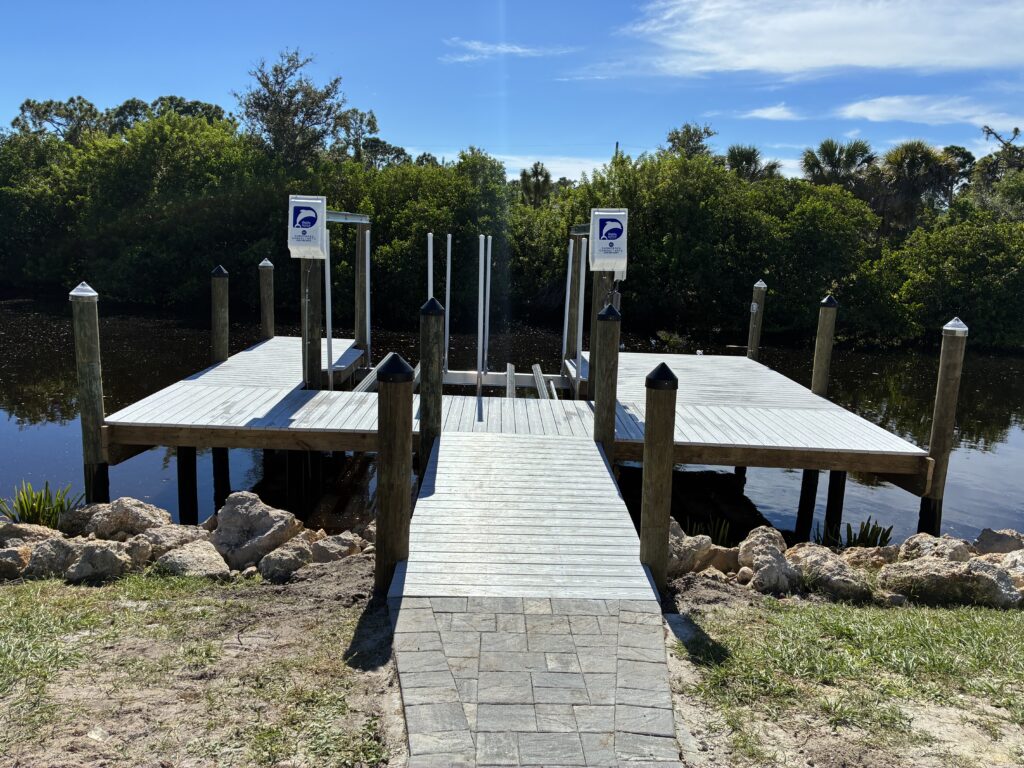
Covered Boat Lifts and Boathouses
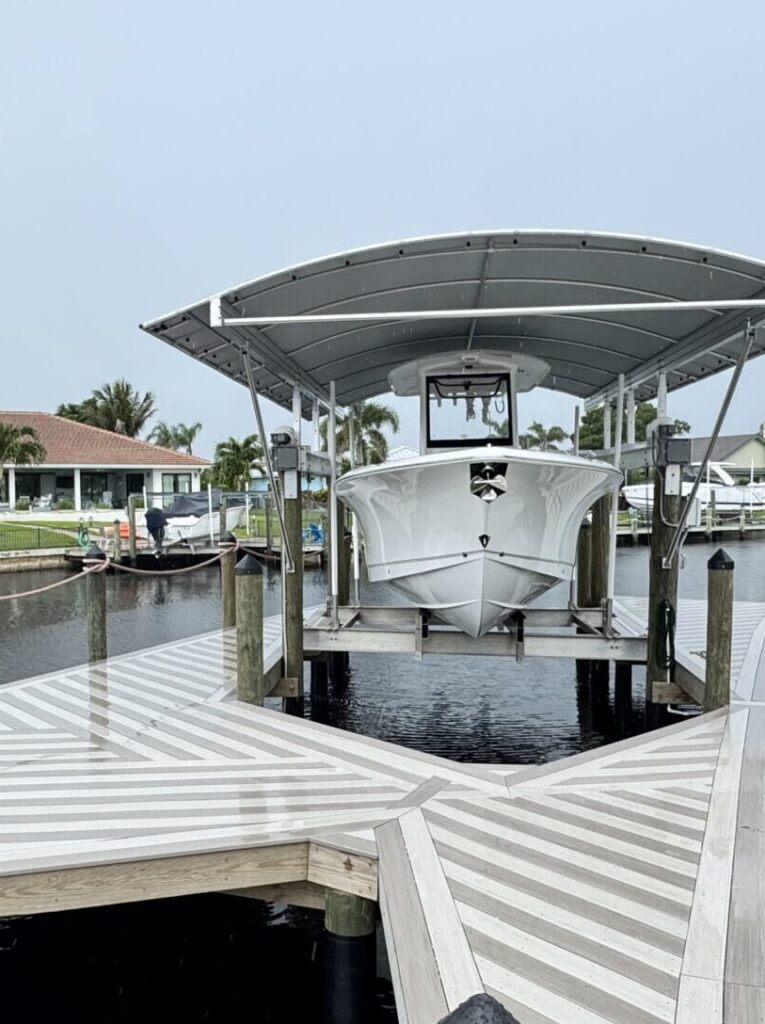
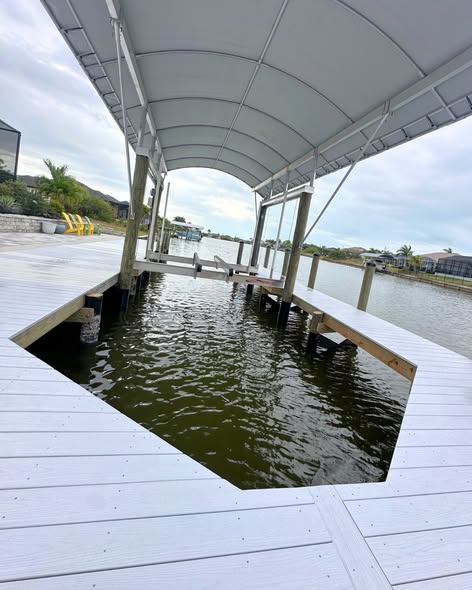
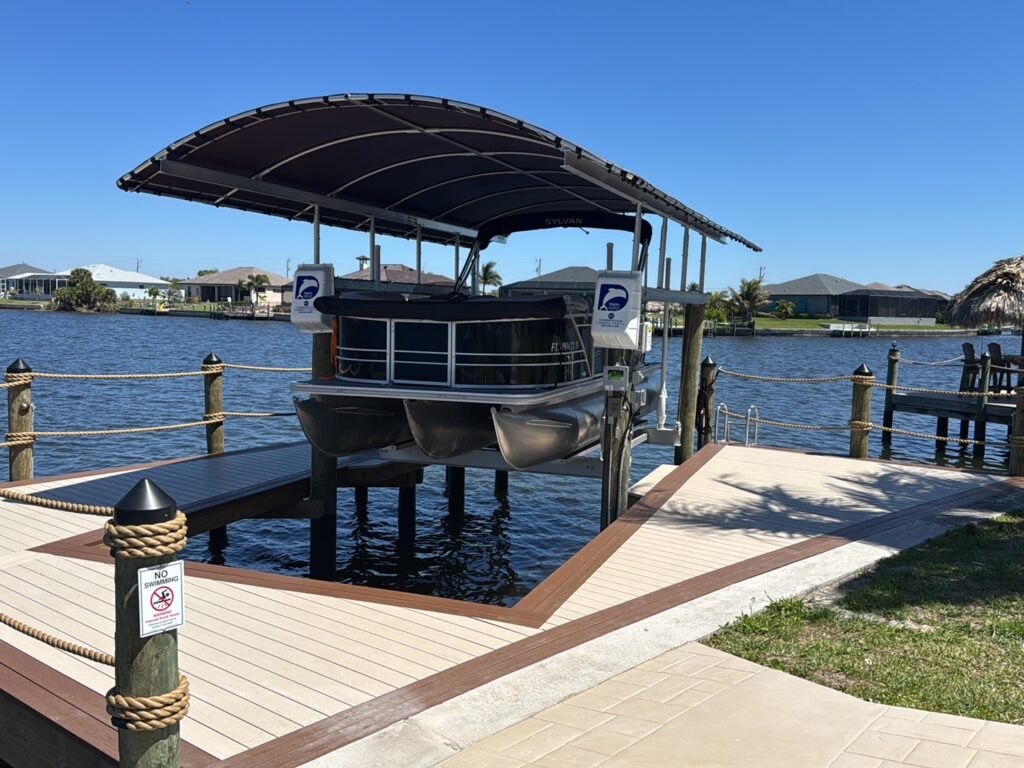
A covered boat lift or boathouse protects a vessel from sun, rain and storm exposure. As a result, it can significantly reduce long-term wear on gelcoat, upholstery and mechanical systems.
Common covered structures include:
- Roofed single-lift boathouses
- Multi-lift covered docks
- Enclosed or partially enclosed boathouses
- Hybrid dock-and-roof systems
However, these structures require careful engineering. Designers must account for:
- Roof height and clearance
- Vessel height in raised position
- Wind uplift and storm loading
- Piling size and spacing
- Side and rear setbacks
- Waterway projection limits
- Electrical and drainage integration
In addition, adding a roof later is often more complex than including it in the original design. For this reason, homeowners should decide early whether they want covered storage.
Dock Pavilions and Recreational Platforms
Not every waterfront structure is designed for boat storage. Instead, many homeowners prefer open-air dock pavilions or seating areas.
These spaces can support:
- Fishing and cleaning stations
- Outdoor dining areas
- Seating and relaxation zones
- Wildlife viewing
- Storage for paddlecraft or gear
Unlike boathouses, pavilions are typically open-sided. However, they still require permitting and must be included in the initial design plans.
In addition, placement matters. A pavilion should not interfere with boat lift operation, vessel turning radius or navigation access.
Fishing Piers and Observation Structures
In some cases, a property is better suited for a fishing pier or observation platform rather than a traditional boat dock.
This is especially true for:
- Shallow waterfronts
- Wetland edges
- Mangrove shorelines
- Natural lakes and rivers
These structures provide access for recreation while minimizing environmental impact. As a result, they are often used in sensitive shoreline areas.
Boardwalks and Elevated Access Paths
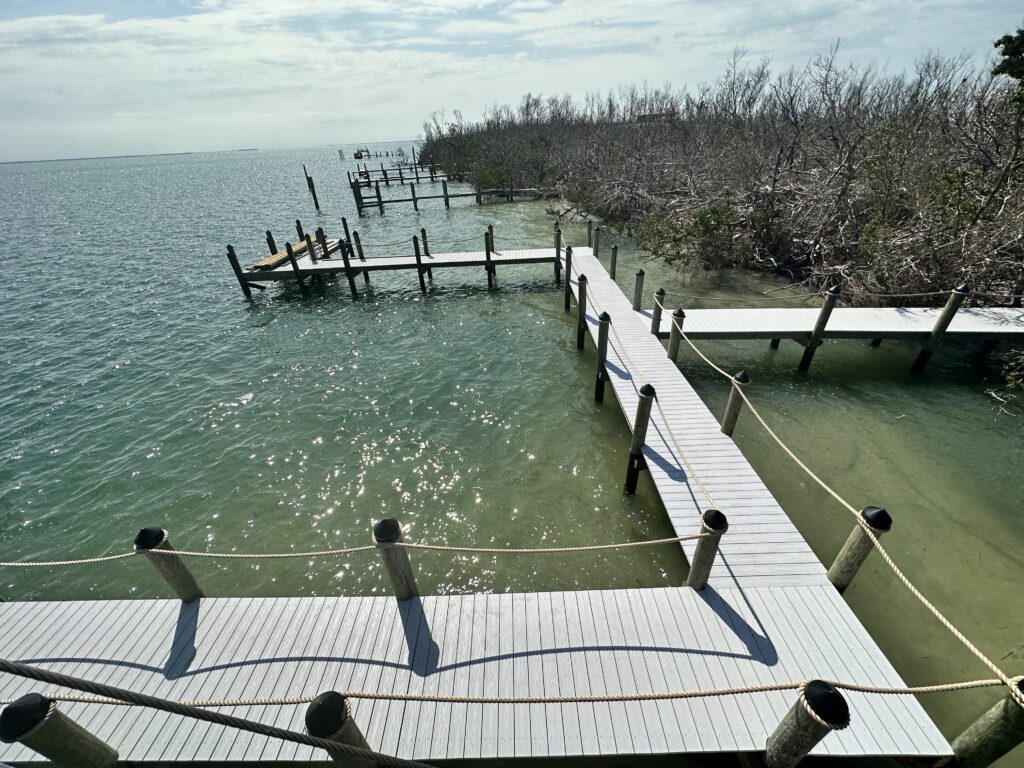
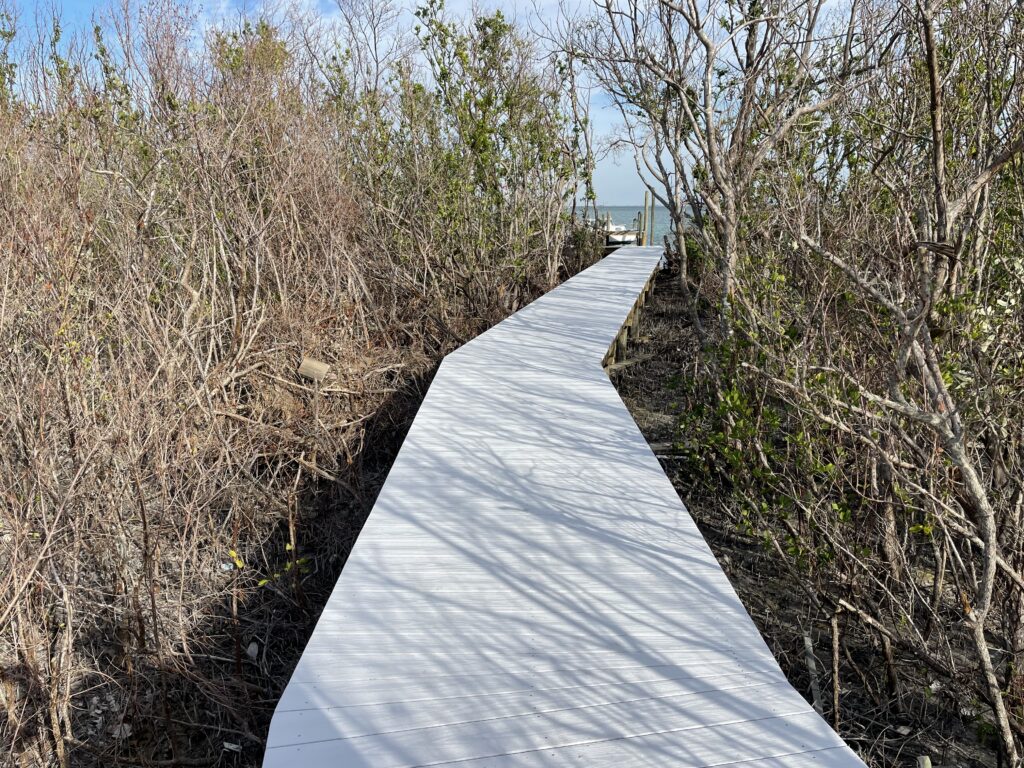
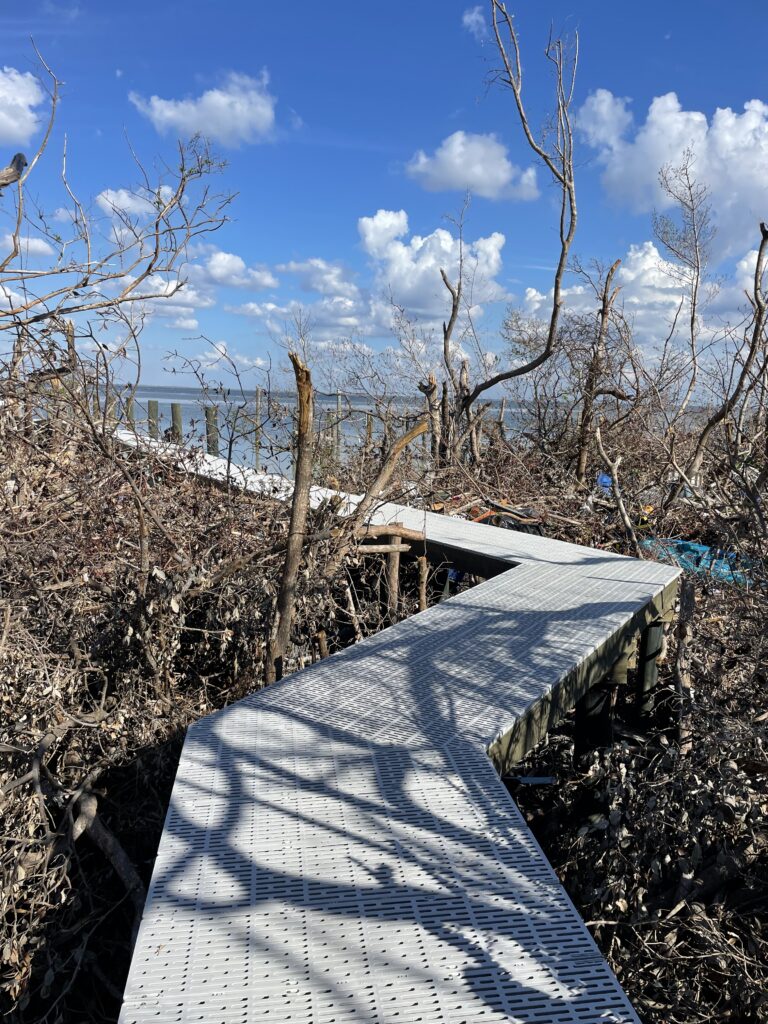
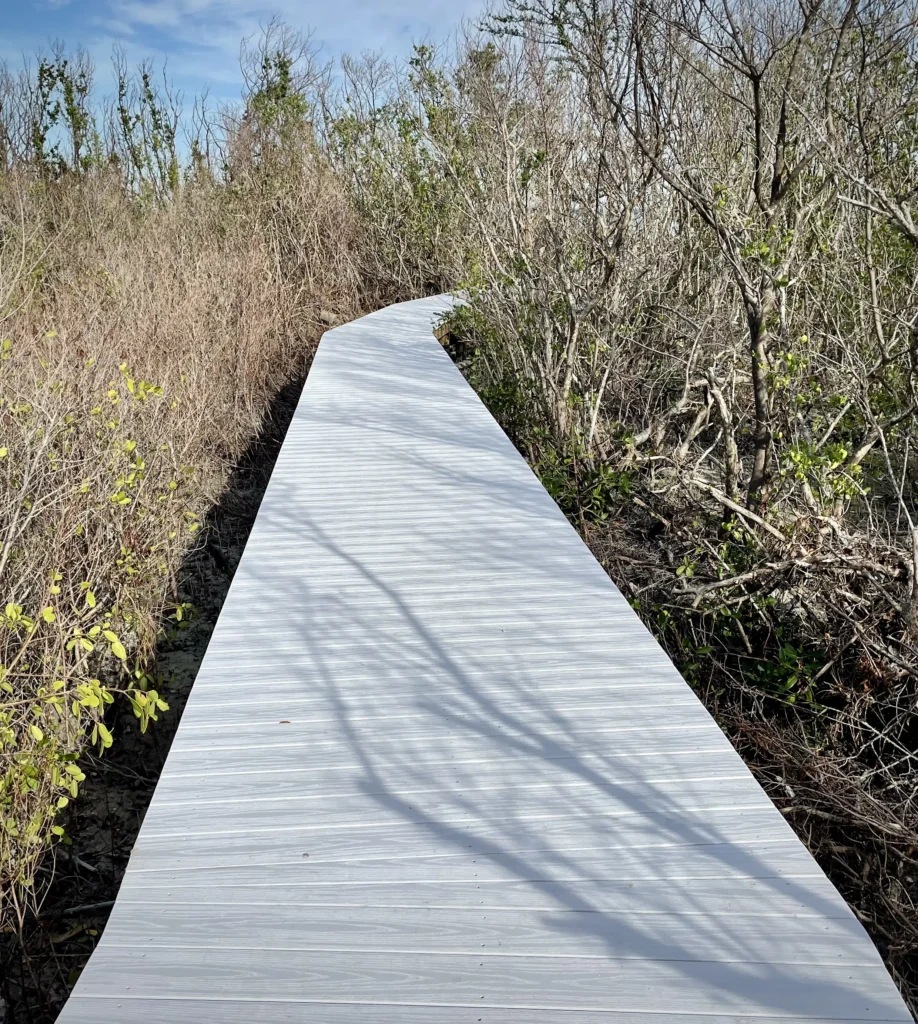
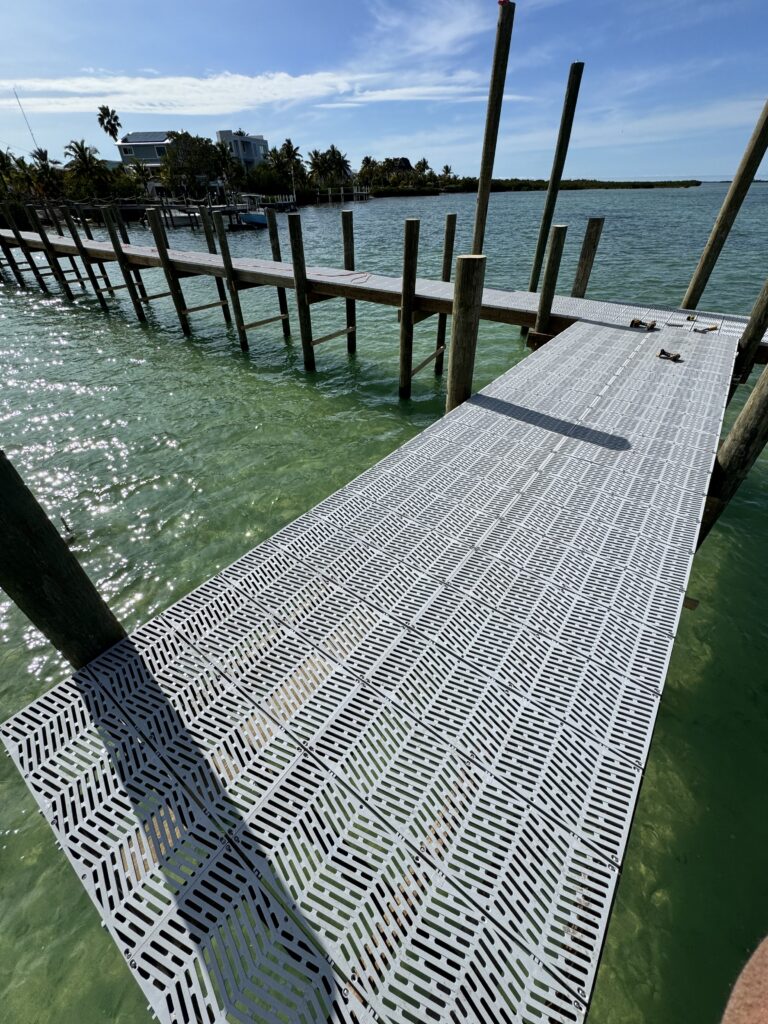
Boardwalks provide shoreline access without heavily disturbing vegetation or soil conditions.
For example, they may cross:
- Mangrove systems
- Wetlands
- Seagrass zones
- Drainage corridors
Because they are elevated, boardwalks help preserve natural flow and habitat while still allowing property access.
Design All Structures as One System
Ultimately, covered lifts, pavilions, docks and boardwalks should not be designed separately.
Instead, they should function as one coordinated waterfront system.
For example:
- Roof structures affect piling size
- Electrical service must be planned before decking
- Lift placement depends on water depth and vessel size
- Pavilion location affects navigation clearance
Therefore, early planning prevents costly redesigns during permitting or construction.